You're doing well. But it no longer feels like you.
We map how you work. It all starts to connect.
A life and work that feel like yours again.
Channel yourfull capacity
into a life of meaningful impact.
The Rise of You
A private, research-based assessment and life design programme for founders, executives and senior professionals who have built a successful life, and now want one that truly fits them.
- Format
- Private, one to one
- Duration
- 8 to 12 weeks
- Foundation
- Established research
Sound familiar?
“I perform well, but I'm no longer fully engaged by what I'm building.”
“I've done the assessments. I still don't see how it all connects.”
“My career has impact. The rest of my life gets what's left.”
The purpose is not to do more with your life. It is to direct more of yourself toward what matters.
Principles
How the work is built
- 01
Research grounded
Every variable comes from established research. Nothing is an invented personality type.
- 02
Systems level
Body, emotions, thinking and behaviour are read together, not as separate results.
- 03
Individually calibrated
Questionnaires are only the start. Conversations put every result in the context of your life.
- 04
Built for application
Everything is translated into real decisions: work, relationships, energy and environment.
The method
Three layers. One working system.
Over 8 to 12 weeks, we move from understanding to a plan you can live by.
- 01
The Human Operating System
A map of how you function: physically, emotionally, mentally and in how you act. It separates what is naturally yours from what you learned to do to cope or succeed, and shows how the pieces affect each other.
- 02
The Life Operating System
That understanding, applied to your life. How you work, decide, relate, recover and set up your environment, across nine areas from career and relationships to energy, money and growth.
- 03
Integration
Everything brought together into one personal report, a clear direction and a prioritised 90-day plan, set up as a working system you can actually use day to day.
What becomes possible
Less divided energy. Clearer direction.
- 01Outcome
Understand where your energy comes from, and where it goes.
- 02Outcome
Tell apart who you are from what you learned to become.
- 03Outcome
Find the direction that uses your strengths, values and ambitions together.
- 04Outcome
Make fewer decisions that work against you.
- 05Outcome
Shape your work, routines and environment around how you function.
- 06Outcome
Know what deserves your attention first, and what doesn't.
Systems planning
Trained in technical systems planning and project leadership
Since 2023
Developing the Life Operating System
Independent research
Personality, cognition, emotion, motivation and performance
Evidence first
Every variable taken from established, published research

The founder
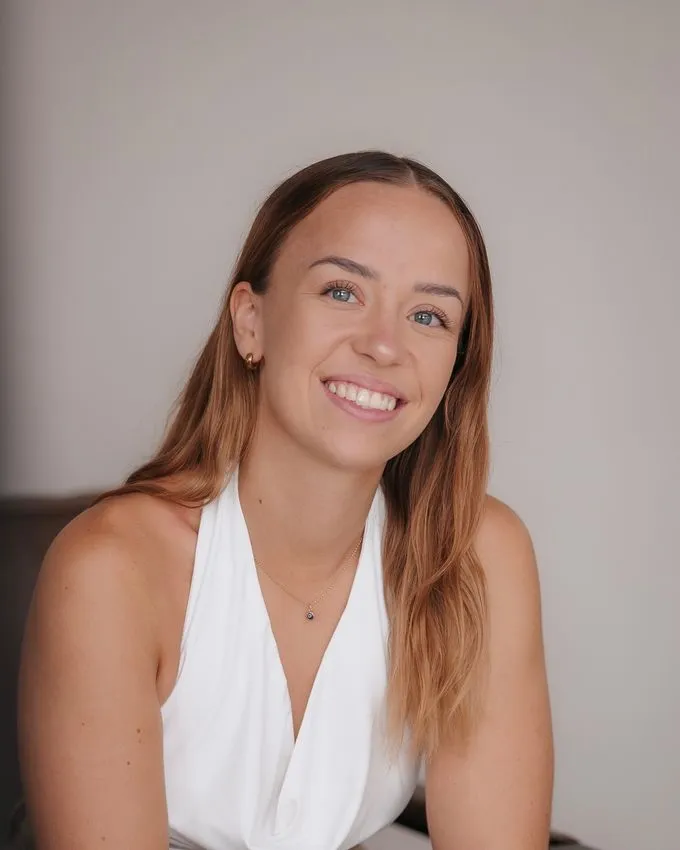
Franziska Bloching
Founder of The Rise of Unity · Human Systems Architect
My background is in technical systems planning. I was trained to see how parts of a complex system affect each other, and how to turn that complexity into a plan that works.
Over time I started applying the same thinking to people, and to one question: how can someone build a deeply fulfilling life, use their full capacity, and contribute something that matters?
The Human and Life Operating Systems are my answer. I don't put people into categories. I help them understand how they work, and turn that into decisions they can live by.
The next step
Apply for a private conversation
In a first conversation we look at what you want to resolve, choose or build, and whether this work is the right fit. Each application is read personally, and you'll hear back within two working days.
FAQ
Questions, answered directly
Is this coaching?
No. Coaching methods may be used during implementation, but the core is structured assessment, personal synthesis and life design.
Is this therapy or a clinical diagnosis?
No. The work does not diagnose or treat mental health or medical conditions, and it doesn't replace psychotherapy or medical care.
How long does it take?
Usually 8 to 12 weeks, depending on your pace and the agreed scope.
How many sessions are included?
The work is structured in phases (assessment, calibration, synthesis, design and integration), not sold as a number of sessions. The exact scope is set out in your individual proposal.
Is it only for women?
No. Most of my current clients are women in senior roles, but I work with founders and leaders of any gender when there's a strong fit.
Has the method been scientifically validated?
Each variable comes from established research. The complete, combined framework is still being refined and has not yet been formally validated as a single instrument.
What is the investment?
The Rise of You is a four-figure engagement. Scope, timeline and price are confirmed openly in the first conversation, before anyone commits.